Understanding the Role of a Commercial General Contractor in Achieving Superior Building Outcomes
A commercial general contractor plays a crucial role in construction. They guarantee that projects are completed on time and within budget. Their role involves handling complex schedules and organizing numerous stakeholders. This integration is critical for preserving standards of quality and safety. Understanding their responsibilities clarifies their influence over building achievements. How do they specifically strategize to overcome obstacles and achieve successful outcomes?
The Importance of a Commercial General Contractor
Although some may downplay their function, a commercial general contractor is vital for achieving positive project outcomes. Serving as the main coordinator, these professionals make certain different construction phases blend perfectly. Their expertise encompasses not only project management but also effective communication between stakeholders, including clients, subcontractors, and suppliers. By managing budgets, timelines, and resource distribution, they mitigate risks and streamline operations.
In addition, commercial general contractors handle intricate regulatory landscapes, confirming conformity with local building regulations and safety rules. Their experience in resolving conflicts and solving problems is crucial, particularly when sudden issues crop up during construction. Ultimately, a skilled commercial general contractor fosters collaboration, enhances efficiency, and contributes to the overall quality of the project. Their pivotal role lays the groundwork for successful outcomes, making them essential for every construction undertaking, regardless of scale or complexity.
Key Responsibilities of a Commercial General Contractor
While managing a building endeavor, a commercial general contractor takes on numerous crucial duties that are essential for its success. Chiefly, they manage project schedules, ensuring deadlines are met and that the project progresses as planned. They also manage the finances, regulating spending and making sure funds are distributed effectively.
Moreover, the contractor is responsible for hiring and coordinating subcontractors, choosing skilled experts for specific jobs such as piping and wiring tasks. The contractor ensures adherence with local building codes and safety regulations, reducing hazards associated with construction activities.
In addition, the general contractor is charged with securing necessary permits and licenses to enable the building process. They conduct regular site inspections to monitor quality and progress, dealing with concerns that arise immediately. Ultimately, their role is to guarantee that the project meets specifications, is completed on time, and is completed under the allocated funds.
The Role of Coordination and Communication in Construction
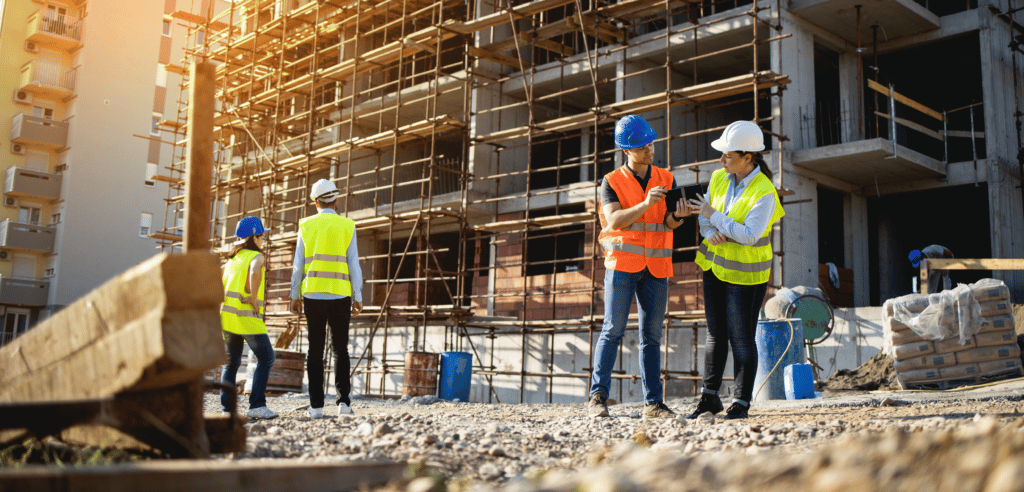
Successful coordination and communication are vital components in the success of construction projects, as they ensure all parties are in agreement with the project's goals and timelines. The general contractor is central in aiding this coordination by setting up defined communication channels among clients, architects, suppliers, find here and subcontractors. They make certain that updates regarding project progress, changes, and potential issues are communicated efficiently and quickly.
Status reports and frequent meetings are crucial to this management effort, facilitating the swift settlement of disputes and the adjustment of schedules as needed. The ability of the contractor to encourage cooperation among diverse teams improves total project efficiency and minimizes misunderstandings. In addition, the use of project management tools and technologies can streamline communication, guaranteeing everyone can view to the latest data. Effective communication and coordination culminate in superior project deliverables and client contentment in the construction industry.
Managing Budgets and Overseeing Finances
Budget management and financial oversight are essential to the successful execution of construction projects, making certain resources are used effectively and expenses are managed. The general contractor is instrumental in this process by creating comprehensive budgets based on client expectations and the project's scope. They oversee all expenses throughout the entire project, spotting deviations and performing needed modifications to steer clear of exceeding the budget.
The contractor also collaborates with subcontractors and suppliers to negotiate contracts, securing cost-effective rates while upholding standards of quality. Routine financial reports and projections enable stakeholders to remain current and take prompt action. Through the use of strict financial oversight, the contractor lessens the likelihood of problems associated with unanticipated expenditures, maintaining the project's financial health. Fundamentally, sound financial control and budget administration improve the feasibility of the project but also cultivate a reliable relationship with the client, ensuring projects are completed successfully.
Maintaining High Safety and Quality Levels
Rigorous adherence to safety and quality requirements is essential in the construction industry, where the stakes are high and the margins for error are slim. General contractors in the commercial sector are key players in establishing strict safety guidelines and quality control procedures from start to finish. Contractors must comply with local building codes, industry regulations, and best practices, which reduces potential hazards and boosts the project's overall quality.
For this purpose, contractors often conduct regular site inspections, check that safety procedures are followed, and provide ongoing training for workers. Contractors partner with reputable subcontractors and vendors who are dedicated to high standards, guaranteeing that labor and supplies adhere to set standards. Through cultivating a focus on safety and quality, commercial general contractors safeguard their employees but also improve the lifespan and resilience of the buildings they construct, ultimately leading to successful project outcomes and satisfied clients.
Questions and Answers
What Qualifications Should I Look for in a General Contractor?
In choosing a general contractor, one should consider their experience, references, licenses, portfolio, and insurance coverage - Hickory top rated Commercial General Contractor. Furthermore, strong communication abilities and a history of successfully handling schedules and costs are essential for successful project delivery
How Do I Select the Right Contractor for My Project?
In order to choose the best contractor, one should assess their background, verify past clients, look at previous work, confirm licenses and insurance, and ensure open lines of communication. A thorough interview process can help assess alignment with project objectives.
What Are Common Challenges Faced by Commercial General Contractors?
Commercial general contractors often face challenges such as budget constraints, scheduling conflicts, labor shortages, regulatory compliance, and managing subcontractors. Such problems may affect project quality, costs, and schedules unless managed properly during construction.
How Do Contractors Handle Unexpected Issues During Construction?
When faced with unforeseen problems, contractors typically respond by rapidly assessing the problem, creating backup strategies, and keeping all parties informed. Hickory top rated Commercial General Contractor. They often rely on their collective experience and cooperation to implement solutions, ensuring minimal disruption to the project's schedule and cost
What Is the Usual Schedule for a Business Construction Project?
The typical timeline for a commercial building project ranges from several months to a few years, depending on factors such as the scope of the project, complexity, the permitting process, and the materials and labor being available.